
The science behind
our chosen greens
See the benefits contained in each unique variety - with links below to studies, videos and further reading
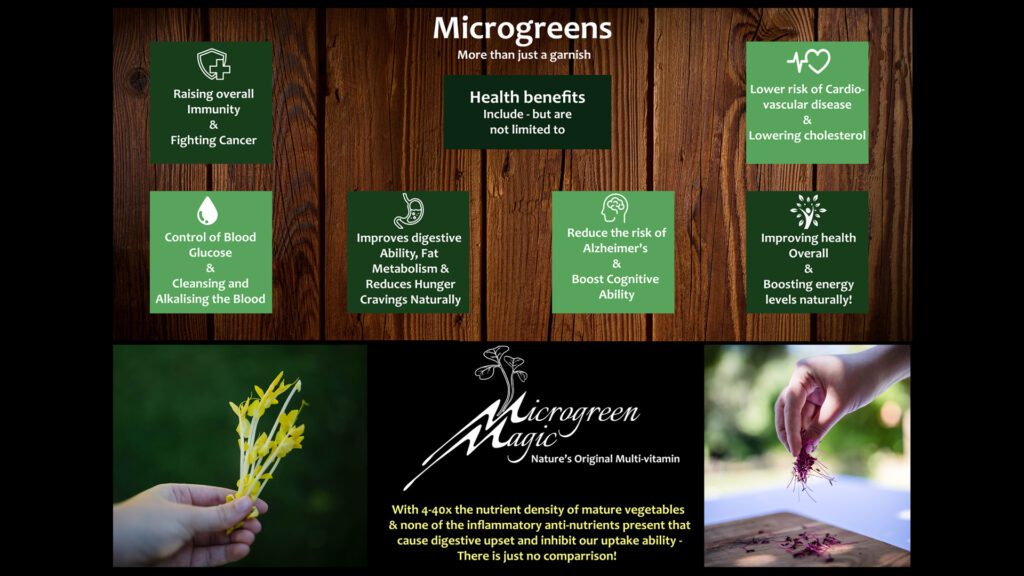
Anti-nutrients and uptake potential!
Anti-nutrients are plant specific compounds that the plant uses to protect itself from pests, animals, fungi and other environmental toxins. Examples include oxalates, lectins and glucosinolates to name a few. One main reason Microgreens are so revolutionary for health - is that they are the peak nutritional stage of the plant, and right before the anti-nutrients are being produced! This means maximum nutrition, minimal digestive upset and the most available uptake of any stage of plant growth!
Maximise your nutrition - Eat smart with Microgreens
Overall
Papers on Microgreens in general
See the current scientific findings when comparing microgreens to their mature counterparts - as well as in depth comparisons and analysis on the nutrition contained in the varieties
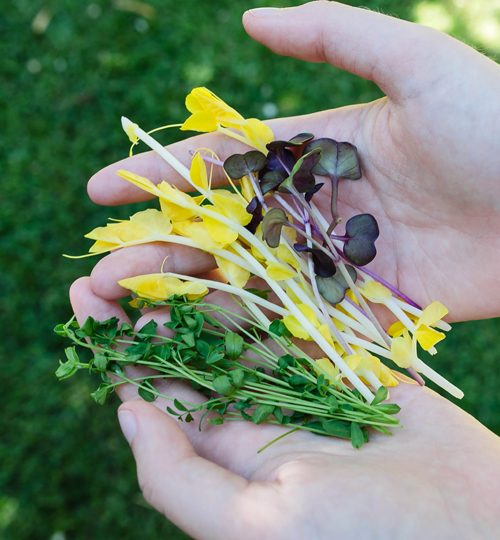
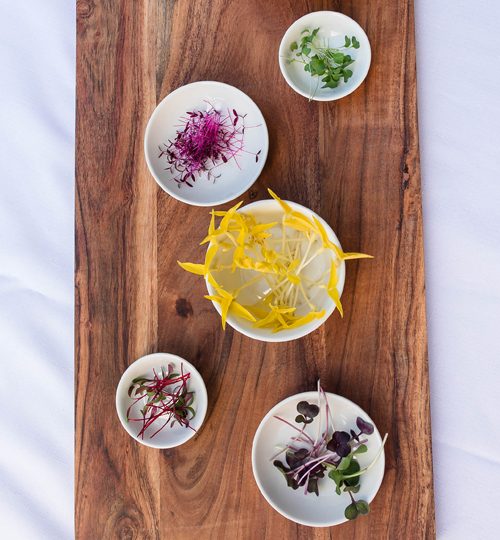
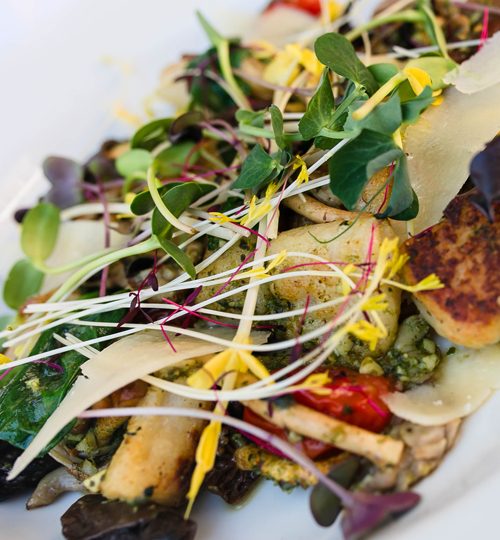
Assessment of Vitamin and Carotenoid Concentrations of Emerging Food Products: Edible Microgreens
The original study that found 4-40x the nutrient density!
Main take-away
“They are known for both flavouring and nutrition, and numerous studies have established their dietary importance in terms of mineral contents, vitamins, antioxidants, etc. Studies on twenty-five different varieties of microgreens, such as arugula, celery, cilantro, radish, and amaranth, showed higher concentrations (4 to 40 times) of nutrients, antioxidants, and vitamins than mature plants”
Microgreens—A Comprehensive Review of Bioactive Molecules and Health Benefits
Comparing vegetables of different ages – Sprouts vs Microgreens Vs baby-leaf vs Mature, and the benefits of each.
Main take-away
No chemicals are needed in Microgreens, meaning we can avoid heavy metals and the chemical by-products of big farming, whilst also getting a potent dose of goodness in a tiny package! Making Microgreens ” the stellar source of phytochemicals, such as essential minerals, polyphenols, carotenoids, chlorophyll, anthocyanins, glucosinolates, etc., which imparts high antioxidant, anti-inflammatory, anti-diabetic effects due to which it is considered as a practical food that might improve or attenuate chronic diseases.”
Comprehensive Evaluation of Metabolites and Minerals in 6 Microgreen Species and the Influence of Maturity
(Targeting Rocket, Beetroot, Broccoli, Red Cabbage, Amaranth and Pea)
Main take-away
“the findings of this study support that microgreens have distinct metabolite and mineral profiles compared with one another and with their mature counterparts. Microgreens were found to have an extensive and diverse range of metabolites (including vitamins and bioactive compounds) and minerals, providing further evidence for their high nutritional quality.”
“The finding that microgreens contained numerous bioactive compounds that were significantly increased relative to mature counterparts is in line with previous reports. An initial study by Sun et al. (49) profiled 164 polyphenolic compounds in 5 Brassica microgreen species (mizuna, red cabbage, purple kohlrabi, red mustard, and purple mustard) and found that microgreens had more complex polyphenol profiles and more polyphenol varieties compared with their mature counterparts”
Nutrient composition, oxalate content and nutritional ranking of ten culinary microgreens
A study looking at microgreens to target global malnutrition
Main take-away
This was the first study to make the connection to the lack of anti-nutrients, (specifically oxalates) in microgreens, compared to their mature counterparts.
Microgreens of Brassicaceae: Mineral composition and content of 30 varieties
Maximise your nutrition while you minimise your exposure to heavy metals!
Main take-away
Microgreens require no chemical intervention for their growth! Meaning no chemical by-products or heavy metals end up in the harvest. “The determination of mineral elements by ICP OES provided a satisfactory quantification of Ca, Mg, P, K, Na, Fe, Zn, Mn, and Cu in 30 different varieties of microgreens in the Brassicaceae family. Samples were analysed for the toxic heavy metals Cd and Pb, as well and neither of them was detected”
Sulforaphane
The Anti-cancer nutrient
Found in highest potency in broccoli microgreens! This phytonutrient (phyto= Greek for plant), found in a few different vegetables has been the subject of over 2000 studies due to it's incredible anti-cancer potential! A potent anti-oxidant also showing promising results for Autism (due to reduction on oxidative stress), as well as many other chronic diseases. Incredible for inflammatory conditions - this nutrient has broad and powerful effects!
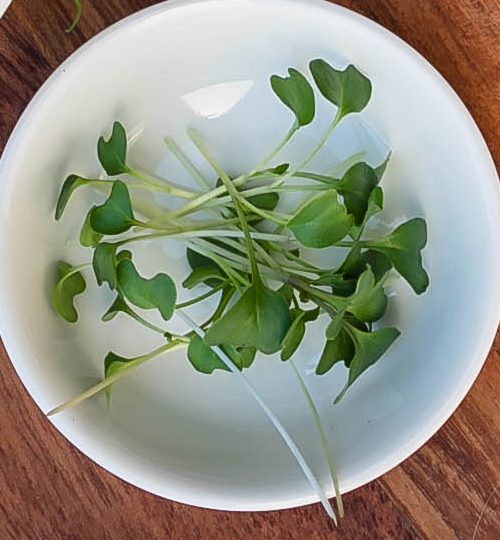
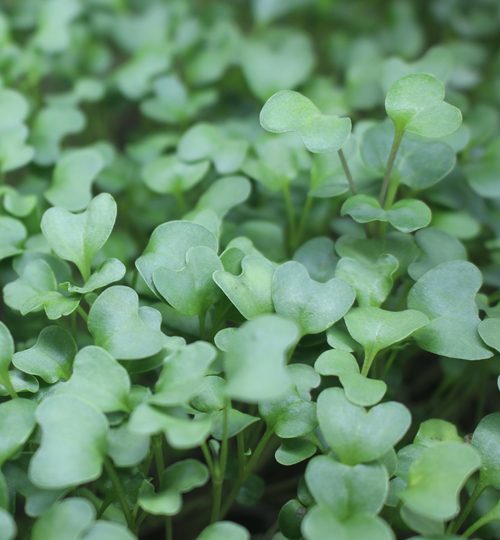
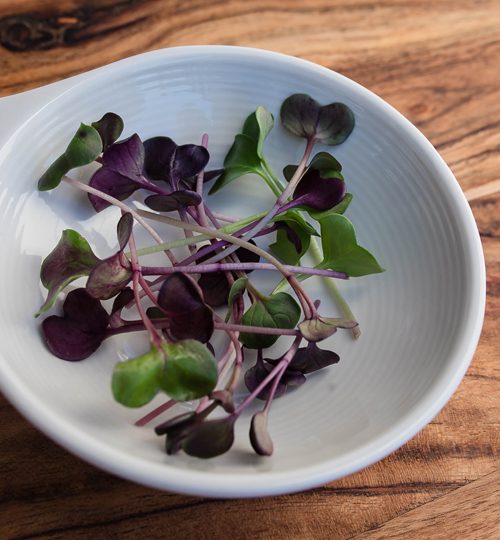
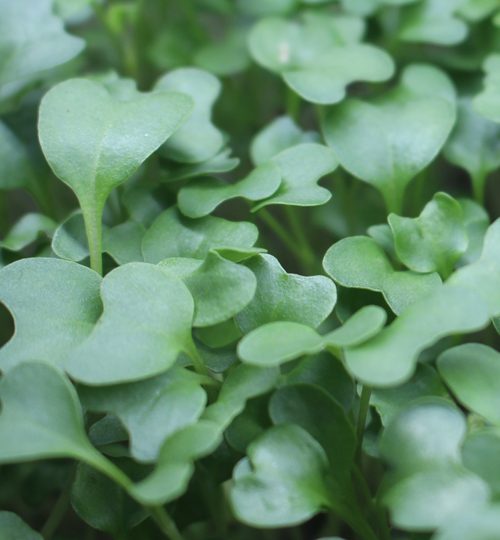
Sulforaphene (SFE or SFN) is obtained from glucoraphenin, a chemical that is made when chewing cruciferous vegetables such as broccoli, cauliflower, radish and brussel sprouts. The glucoraphenin in these vegetables mixes with an enzyme in humans called myrosinase, which then produces sulforaphane!
The world's best source of this wonder molecule is Broccoli Microgreens!
Anticancer properties of sulforaphane: current insights at the molecular level
This study goes into the mechanisms of action – proving amazing health benefits such as Anti-inflammatory, Anti-cancer, Anti-oxidant, Antimicrobial, Cardio and Cyto protective properties, as well as being a potent Immunostimulant!
Main take-away
This paper concludes that “sulforaphane provides cancer protection through the alteration of various epigenetic and non-epigenetic pathways”
See the link above for further reading on the biochemical methods of action.
Sulforaphane in broccoli: The green chemoprevention!! Role in cancer prevention and therapy
This paper really focuses on the anti-cancer effects specifically
Main take-away
“Broccoli and its sprouts contain naturally occurring isothiocyanates such as SFN with potent cancer-fighting properties. In vitro and animal experiments have extensively studied the role of SFN in treating different types of cancers as well as other diseases.” The paper also noted an important fact about commercially farmed adult broccoli – “Broccoli has numerous traces of pesticides, of which formaldehyde is carcinogenic.” Another reason why Microgreens (who are never exposed to any chemicals or pesticides like this) are so much more beneficial, and far safer for regular consumption.
Sulforaphane treatment of autism spectrum disorder (ASD)
The incredible Anti-oxidant properties of sulforaphane is showing incredible success in preventing oxidative stress, reducing inflammation, DNA-damage and the round up of free-radicals – drastically improving the symptoms of Autism. The studies are early days, but the ease of including broccoli microgreens in the diets of fussy eaters is well worth considering! The results may just astound you, and another happy side-effect will be improved digestion!
Main take-away
“Sulforaphane, which showed negligible toxicity, was selected because it upregulates genes that protect aerobic cells against oxidative stress, inflammation, and DNA-damage, all of which are prominent and possibly mechanistic characteristics of ASD.”
“many of the participants who were treated with sulforaphane in this study had statistically significant and clinically meaningful improvements during treatment with sulforaphane.”
“participants receiving sulforaphane had improvement in social interaction, abnormal behaviour, and verbal communication”
Sulforaphane exhibits antiviral activity against pandemic SARS-CoV-2 and seasonal HCoV-OC43 coronaviruses in vitro and in mice
Looking for a safe and natural alternative to preventing Covid19? Perhaps you where sceptical of the vaccine – well Broccoli Microgreens are another option you could look into! Don’t take our word for it, see more below in this exciting study
Main take-away
“SFN inhibited in vitro replication of six strains of SARS-CoV-2, including Delta and Omicron, as well as that of the seasonal coronavirus HCoV-OC43“
A direct quote from the results of this study – making this method a truly safe and effective one, based on actual accessible papers and studies!
“SFN treatment diminished immune cell activation in the lungs, including significantly lower recruitment of myeloid cells and a reduction in T cell activation and cytokine production. Our results suggest that SFN should be explored as a potential agent for the prevention or treatment of coronavirus infections.”
“Treatment with SFN(Sulforaphane) increased phagocytic activity of alveolar macrophages13 and reduced lung injury in animal models of acute respiratory distress syndrome (ARDS)14. SFN also decreased the levels of IL-6 and viral load in human subjects infected with live attenuated influenza virus15,16. Numerous clinical trials utilizing SFN have demonstrated favourable pharmacokinetics after oral dosing and documented excellent tolerability and safety”
Destroying Cancer in clinical tests, helping to reverse Autism and a potential cure and prevention for Covid19 - All backed by science and accessible to the public!
See more in this short Youtube Video
Truly, Nature does know best.
Species Specific
See papers on individual microgreens!
Each microgreen species shines in it's own unique way! Although many share qualities, the quantities and potencies of each benefit does vary. Some species also contain certain phytonutrients that are completely unique to that genus of plant!
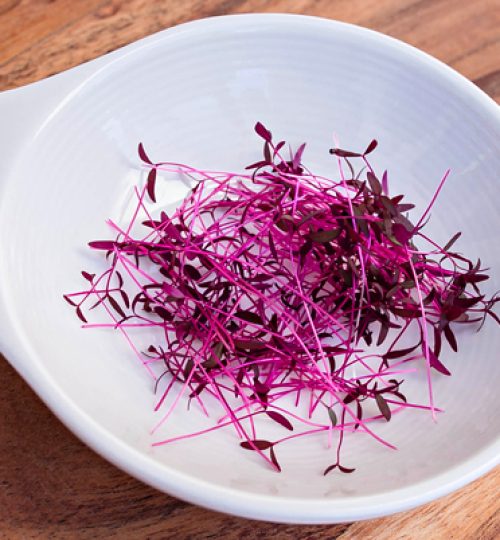
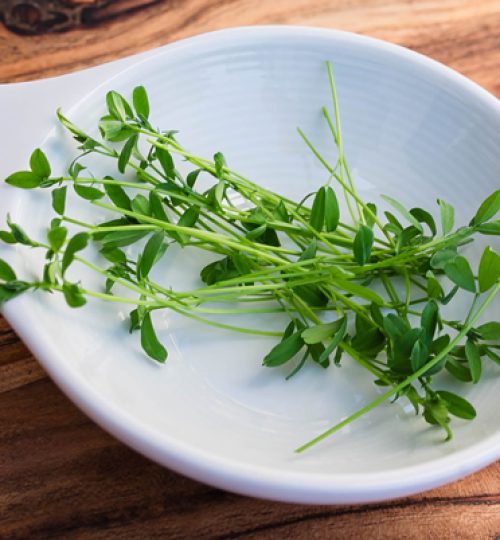
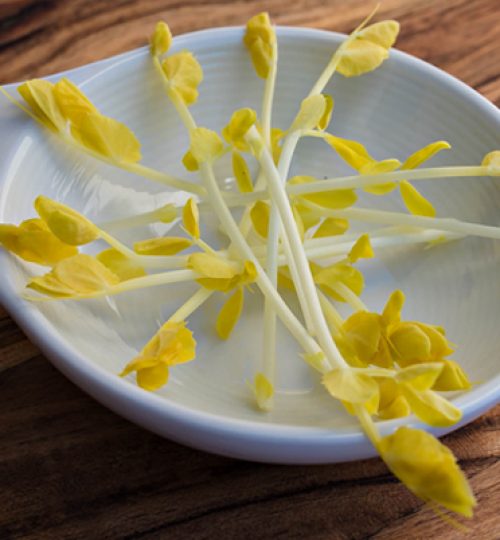
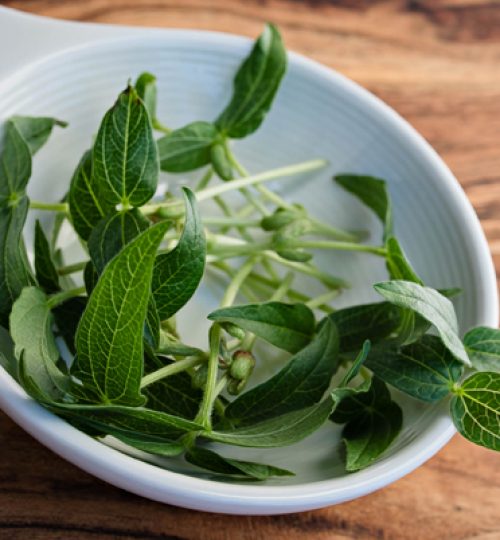
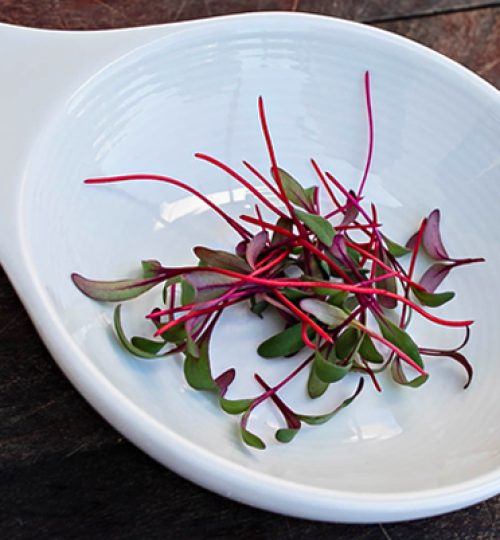
Coming Soon!
To watch
Prefere Videos and Podcasts?
See interviews and videos from medical specialists breaking down this information in more easily accessible forms! Learn more while you go about your day by listening - or settle in to take notes with the useful links below!
Microgreens: Are the Most Common Health Claims Grounded In Data – A Review
A scientific deep dive into the claims and studies found on microgreens vs sprouts (and he references many of the papers we have linked above).
Exciting findings from a study where rats where fed a high fat diet, and those who also had microgreens did not have the pre-anticipated weight gain! Backing the claims around enhanced metabolism and fat synthesis
Health Benefits of MICROGREENS | What They Are & How To Use Them
A very quick intro to what microgreens are and how you can use them, from Nutritionist Taylor Wessel.
Sulforaphane and Its Effects on Cancer, Mortality, Aging, Brain and Behaviour, Heart Disease & More
A thorough talk by Dr. Rhonda Patrick that goes into detail on the biological effects of this wonder-molecule. From excretion of toxins, Cardio-vascular health effects, anti-ageing potential and the benefits to the brain – is there anything it can’t do?
Don’t forget to see the comments below for mind-blowing testimonials from cancer patients!
The Health Benefits of Sprouts & Microgreens
This 20 minute video explains the dramatic changes that happen to a seed after sprouting and how this only intensifies through the Microgreen stage! (The microgreens also avoid the dangers involved with pure sprouts, as sprouts are much harder to keep free of pathogens when compared to microgreens.) It also mentions the beneficial effects to Autism and Schizophrenia, and assesses different microgreen benefits, like the Vitamin-C and K powerhouse that is Amaranth, and how Red Cabbage has 260x more Beta-carotene(which converts to Vitamin A in the body- great for your eyes, immune system and skin!) than it’s mature counterpart! A very informative Video.
Broccoli Sprouts: Its Secret Healing Phytonutrient Sulphoraphane | Dr. Mandell
A 3 minute video on Broccoli sprouts – and these benefits only get better into the microgreen stage (in the video he is actually showing young broccoli microgreens – as seen by the green cotyledon leaves)
MICROGREENS: Healthy In A Hurry | Microgreens vs. Sprouts | Microgreen Directory
A 12 minute conversation between a Nutritionist and a Microgreen Farmer, answering many questions. Touches on how to eat them, the different flavours and getting kids to eat microgreens.
How long do the health effects of broccoli sprouts last? | Jed Fahey
A quick video with Dr. Rhonda Patrick answering this exact question, referring to papers backed by science.
Microgreens VS Sprouts ~ They ARE DIFFERENT! Find out WHY!
This vid purely focuses on the classification of different plant phases – the literal distinctions that separate a sprout from a microgreen.
Sprouted Flax Seeds vs. Flax Seeds Explained By Dr. Berg
This vid focuses on flax seed in particular, but this phenomenon is consistent with all seeds – they are all coated in enzyme inhibitors! This means if you are eating the seed, your also eating the inhibitors that stop you digesting the goodness (allowing seeds to be passed whole and to germinate when passed, a smart move from the plants perspective!) You can avoid these inhibitors by eating the sprouted, or better yet the Microgreen stage of the seed you want the benefits from!